Services
Twelve practices, one team.
We combine engineering, design, security and operations under one roof. Below is what each of those practices looks like when you work with Speed Movings.
Overview
- 01Custom software development
- 02Web application development
- 03Mobile application development
- 04UI/UX design
- 05Cloud solutions
- 06DevOps & infrastructure
- 07IT consulting
- 08Cybersecurity solutions
- 09Quality assurance & testing
- 10System integration
- 11Application maintenance
- 12Digital transformation
01
Custom software development
Bespoke back-end services and internal platforms designed around the way your business actually operates.
Typical uses
Line-of-business systems, workflow automation, integrations between existing tools.
Expected benefits
A system that fits your process instead of forcing it into an off-the-shelf shape.
Relevant technologies
- TypeScript
- Python
- Go
- PostgreSQL
- gRPC
Practice
01
Custom software development
02
Web application development
Responsive, accessible web applications built on modern component-based frameworks.
Typical uses
Customer portals, dashboards, marketplaces, SaaS product front-ends.
Expected benefits
Fast, typed interfaces with predictable behaviour across browsers and devices.
Relevant technologies
- React
- Next.js
- TanStack
- Tailwind
- Playwright
Practice
02
Web application development
03
Mobile application development
Cross-platform and native mobile applications with a shared design system and offline-first patterns.
Typical uses
Field tools, customer-facing apps, companion apps for hardware or services.
Expected benefits
One codebase where it makes sense, native paths where it doesn't.
Relevant technologies
- React Native
- Swift
- Kotlin
- Expo
04
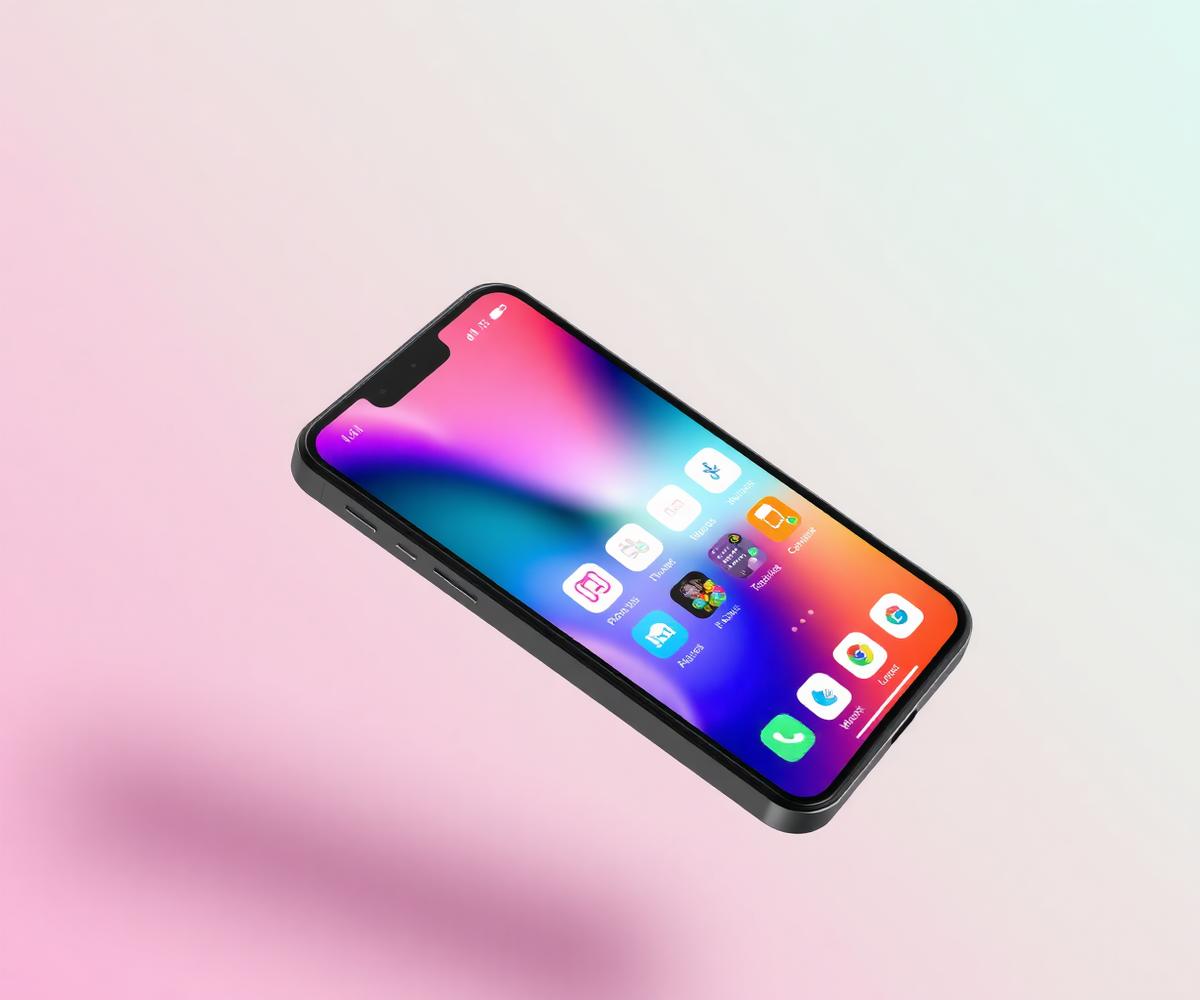
UI/UX design
Design work paired with engineering: usable interfaces, coherent design systems and honest prototyping.
Typical uses
Product interfaces, admin dashboards, marketing surfaces, design-system foundations.
Expected benefits
Designs that can actually be built and maintained by the team that inherits them.
Relevant technologies
- Figma
- Design tokens
- Storybook
- WCAG
Practice
04
UI/UX design
05
Cloud solutions
Managed cloud environments defined as code, with reproducible builds and clear cost boundaries.
Typical uses
New product infrastructure, migrations off legacy hosting, multi-environment setups.
Expected benefits
Environments you can recreate, audit and reason about.
Relevant technologies
- AWS
- GCP
- Cloudflare
- Terraform

06
DevOps & infrastructure
Pipelines, environments and operational tooling that let teams deploy safely and often.
Typical uses
CI/CD build-outs, Kubernetes platforms, secrets management, observability.
Expected benefits
Shorter feedback loops, smaller releases, fewer surprises.
Relevant technologies
- Kubernetes
- GitHub Actions
- Argo CD
- OpenTelemetry

07
IT consulting
Independent technical advice for teams choosing a stack, planning a migration or reviewing an architecture.
Typical uses
Architecture reviews, technology selection, delivery planning, technical due diligence.
Expected benefits
Written recommendations you can act on without further dependency on us.
Relevant technologies
- Architecture docs
- ADRs
- Risk maps
Practice
07
IT consulting
08
Cybersecurity solutions
Security work integrated with engineering: threat modeling, hardening, incident readiness.
Typical uses
Access reviews, application hardening, dependency and container scanning, incident playbooks.
Expected benefits
A clearer picture of your real risks and a plan for reducing them.
Relevant technologies
- OWASP ASVS
- OAuth
- Vault
- SIEM

09
Quality assurance & testing
Testing strategies that fit the product: unit, integration, end-to-end and load coverage.
Typical uses
Regression protection, release confidence, performance validation.
Expected benefits
Smaller failure surface and shorter recovery time.
Relevant technologies
- Playwright
- Vitest
- PyTest
- k6
Practice
09
Quality assurance & testing
10
System integration
Connecting internal and third-party systems with reliable, observable data flows.
Typical uses
ERP, CRM and payment integrations; event-driven pipelines; migration bridges.
Expected benefits
Integrations that don't silently drop or duplicate data.
Relevant technologies
- Kafka
- Webhooks
- REST
- GraphQL
Practice
10
System integration
11
Application maintenance
Long-term care for existing applications — patching, refactoring, monitoring and small feature work.
Typical uses
Post-release support, legacy modernization, ongoing SLA-backed operations.
Expected benefits
A system that stays healthy and current instead of drifting.
Relevant technologies
- Sentry
- Grafana
- Snyk
- Renovate
Practice
11
Application maintenance
12
Digital transformation
Programmes of work that combine software, infrastructure and organizational change.
Typical uses
Replacing spreadsheet-driven workflows, unifying tools, opening APIs to partners.
Expected benefits
Change that actually lands, not slide decks about change.
Relevant technologies
- Discovery
- Roadmapping
- Enablement
A note on scope
We don't sell outcomes we can't control.
Every project is different. We won't promise revenue lifts, ranking improvements or delivery dates before we understand the system. We will tell you, honestly, what we think is achievable.
smitdaan20@gmail.com · speedmovings.com